

Why Is Sodium Coco Sulfate (SCS) Noodles & Powder Hailed as the Natural Surfactant Powerhouse from Coconut Oil?
What is Sodium Coco Sulfate (SCS)?
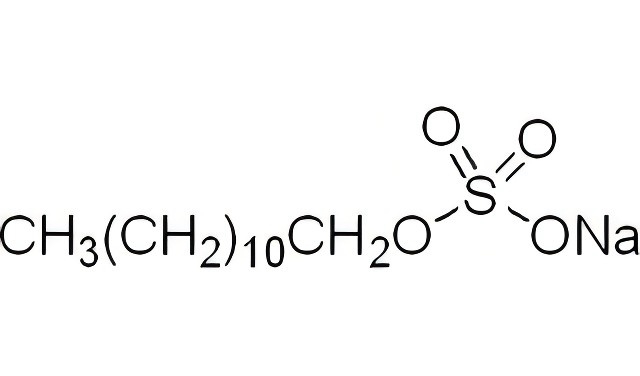 | Sodium Coco Sulfate (SCS) is a 100% plant-derived anionic surfactant with the CAS number 68955-19-1 and EINECS number 273-257-1 . Its core raw material is fatty acids extracted from coconut oil, distinguishing it from petroleum-sourced surfactants like Sodium Lauryl Sulfate (SLS) . At a molecular level, Sodium Coco Sulfate (SCS) is a mixture of sodium alkyl sulfates, formed by sulfating and neutralizing vegetal alcohols from coconut oil . Its defining function is reducing water surface tension, enabling it to produce rich, stable foam that efficiently lifts dirt, oil, and impurities—making it a cornerstone of cleansing formulations worldwide. |
Key Forms: Noodles vs Powder
Sodium Coco Sulfate (SCS) is commercially available in two primary forms, each engineered to suit specific manufacturing needs and application scenarios:
| SCS Noodles Appearance: White to cream-colored waxy needles or particles, dry and free-flowing with a slight waxy texture . They resemble small, slender white noodles, often packed in 25kg sealed bags . Core Advantages: Low dust generation for safer industrial handling; moderate dissolution rate (fully dissolves in 10-15 minutes when melted in water) . Typically 94% pure or higher, ensuring consistent foaming performance . Ideal Uses: Large-scale production of liquid cleansers like shampoos, body washes, and facial cleansers . Compatible with both natural and synthetic ingredients, it creates denser, creamier foam than SLS . | 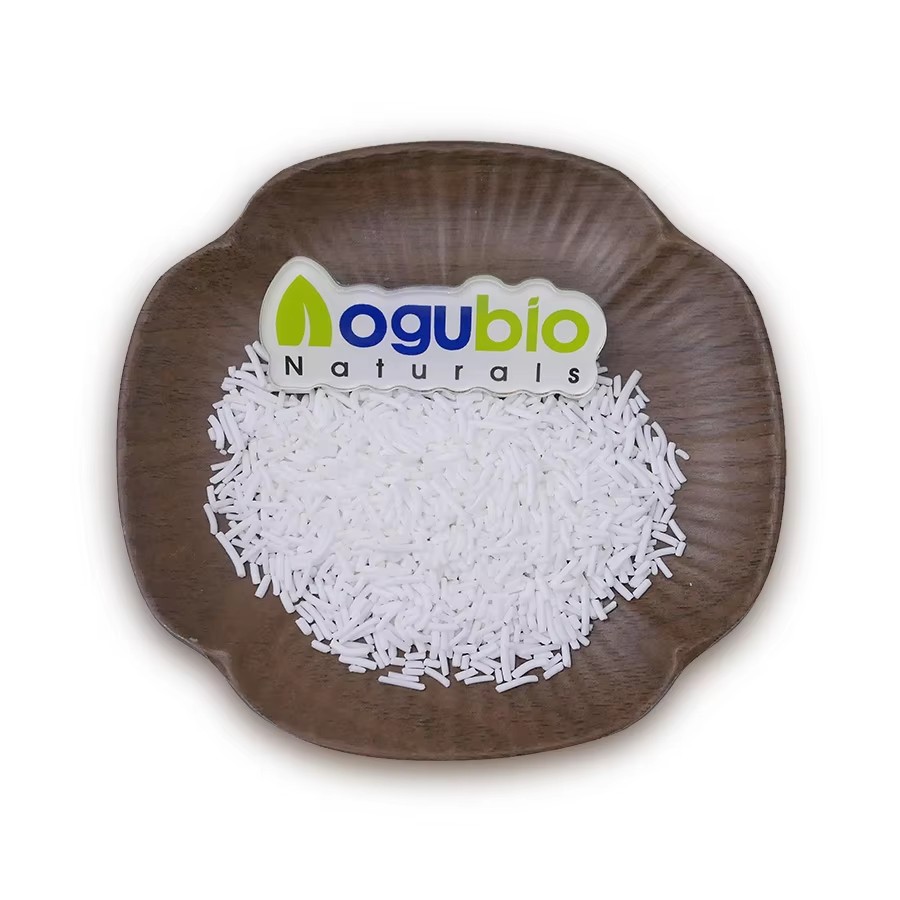 |
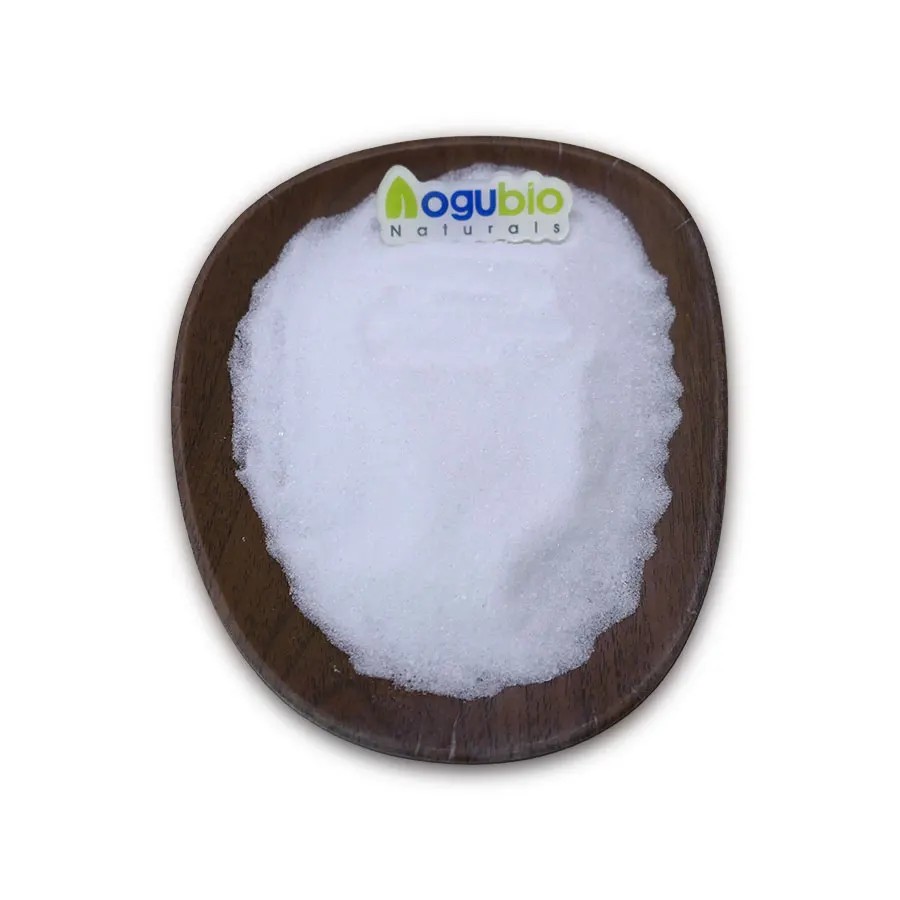 | SCS Powder Appearance: Ultra-fine, fluffy white powder that disperses easily when exposed to air . It has a lightweight, powdery texture that contrasts sharply with the waxy noodles. Core Advantages: Rapid dissolution in water, enabling instant foaming; perfect for small-batch or DIY formulations due to its portability . Safety Notes: Highly prone to dust formation—inhaling dust may irritate the respiratory tract, so gloves, goggles, and adequate ventilation are recommended during handling . Must be sealed tightly to prevent moisture absorption and clumping. Ideal Uses: Handmade soaps, bath bombs, bath salts, solid shampoo bars, and household DIY cleaners . |
From Coconut to Cleanser: SCS Production Process
Sodium Coco Sulfate (SCS)’s "natural" credentials stem from its straightforward, plant-centric manufacturing process:
- Fatty Acid Extraction: Coconut oil is processed to isolate natural fatty acids.
- Alcohol Conversion: These fatty acids are hydrogenated to form vegetal alcohols, preserving their long-chain structure.
- Sulfation: The alcohols undergo sulfation (reaction with sulfuric acid) to form sulfate esters.
- Neutralization: Sodium hydroxide (or sodium carbonate) neutralizes the acidic esters to produce sodium coco sulfate.
- Forming & Drying: The final product is dried and shaped—extruded into noodles or spray-dried into powder .
This process avoids petroleum derivatives and meets ECOCERT organic certification standards, aligning with sustainable formulation trends .
Core Benefits of SCS
- Superior Cleansing & Foaming: Produces denser, creamier, longer-lasting foam compared to SLS, effectively removing impurities without stripping skin and hair of natural oils .
- Gentle & Skin-Friendly: Milder than petroleum-based SLS due to its mixed long-chain fatty acid composition . Suitable for most skin types, though sensitive individuals should perform patch tests .
- Eco-Sustainable: Highly biodegradable (does not accumulate in water bodies) and derived from renewable coconut oil—more environmentally friendly than synthetic surfactants
- Formulation Versatility: Acts as both cleanser and foaming agent, and enhances product texture . Compatible with other surfactants, oils, and polymers, simplifying formulation.
Where to Find SCS in Daily Life
Sodium Coco Sulfate (SCS) is a staple in countless natural and conventional products:
- Personal Care: Natural shampoos, body washes, facial cleansers,solid shampoo bars .
- Home Care: Plant-based hand soaps, kitchen degreasers, gentle laundry detergents .
- DIY & Craft: Handmade soaps, bath bombs, homemade bubble solutions .
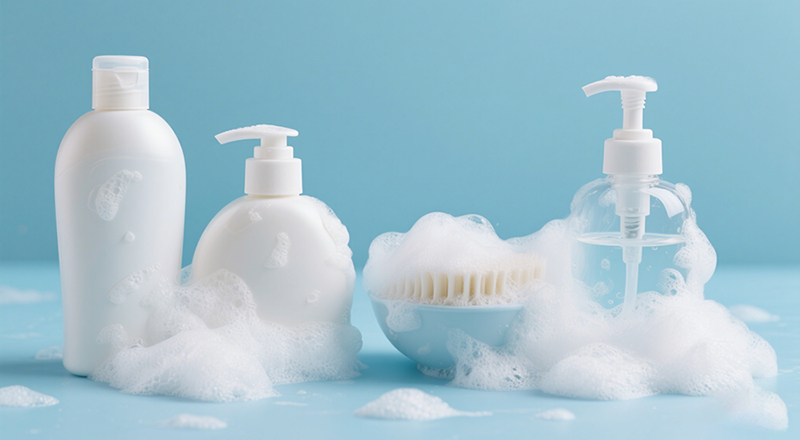
In summary, as a manufacturer of SCS Noodles&powders, Xi'an Aogu Biotechnology Co., Ltd. demonstrates its commitment to providing innovative ideas for the personal care industry. With its excellent foaming, gentle and clean, and ecological sustainability, SCS Noodles&powders is expected to make valuable contributions to meeting the needs of companies in the personal cleaning and care industry.
For more details, please contact:
- Name: Mary Gao
- Email: sales05@nahanutri.com
Whatsapp:+86-17502983925
References
1.Nizioł-Łukaszewska, Z., & Wasilewski, T. (2019). Sodium Lauryl Sulfate vs. Sodium Coco Sulfate: Study of the Safety of Use Anionic Surfactants with Respect to Their Interaction with the Skin. Tenside Surfactants Detergents, 56(2), 126-133. https://doi.org/10.3139/113.110599
2.HallStar Beauty. (n.d.). HallStar® SCS. https://www.hallstarbeauty.com/product/hallstar-scs/
3.Scented Expressions. (n.d.). Sodium Coco Sulfate Noodles (SCS). https://scentedexpressions.com/sodium-coco-sulfate-noodles-scs/
4.Ekokoza. (n.d.). Sodium Coco Sulfate, 25 kg. https://www.ekokoza.com/sodium-coco-sulfate-p3945/?cid=347&vid=3947
5.Rhein, L. (2007). Surfactants in Personal Care Products and Decorative Cosmetics (3rd ed.). CRC Press. https://doi.org/10.1201/9781420016123
6.Falbe, J. (2012). Surfactants in Consumer Products: Theory, Technology and Application. Springer Science & Business Media.