
Lactic Acid: The Hydrating Star in Cosmetics
What is Lactic Acid?
Lactic acid is a natural organic acid belonging to the alpha - hydroxy acid (AHA) family. It is produced through the bacterial fermentation of carbohydrates such as sugar and starch. This compound not only exists in nature, like in milk, certain fruits, and vegetables, but can also be synthesized artificially for commercial use. In the human body, lactic acid plays a role in various biochemical processes.
Benefits of Lactic Acid in Cosmetics
- Moisturizing effect: Lactic acid is a powerful humectant, which means it can attract and lock in moisture in the skin. It is a component of the skin's natural moisturizing factor (NMF), helping to keep the skin hydrated, soft, and elastic. By increasing the water content of the skin, lactic acid can improve the overall texture and appearance of dry or dehydrated skin.
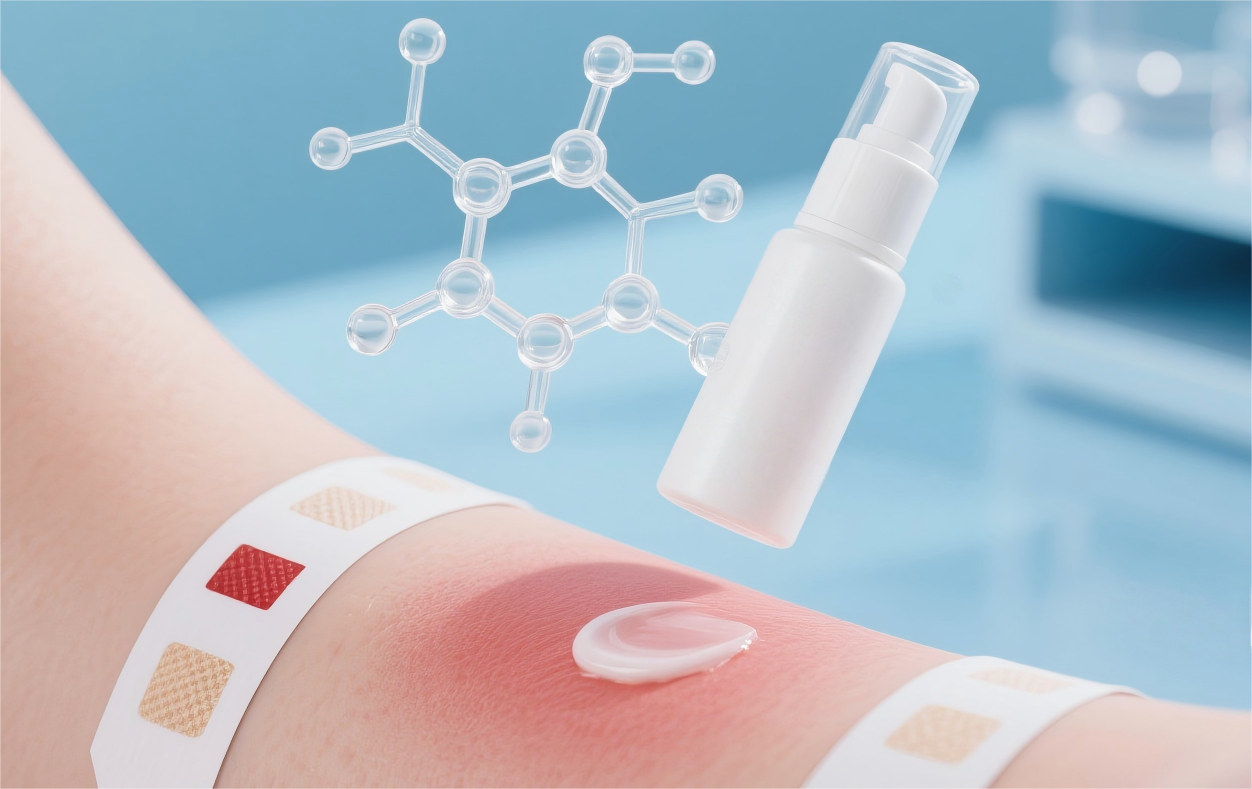
- Exfoliating effect: As a type of alpha - hydroxy acid, lactic acid has exfoliating properties. It works by gently dissolving the bonds between dead skin cells on the skin's surface, promoting the shedding of dead skin cells. This process can reveal fresher and smoother skin underneath, helping to reduce the appearance of fine lines, wrinkles, and uneven skin texture. In addition, exfoliating with lactic acid can enhance the permeability of other skincare ingredients, making them more effective.
- Brightening skin tone: Lactic acid can also help even out skin tone and reduce the appearance of dark spots and pigmentation. It achieves this by inhibiting the production of melanin, which is responsible for skin color. By reducing melanin production, lactic acid helps to brighten the skin, giving it a more radiant look.
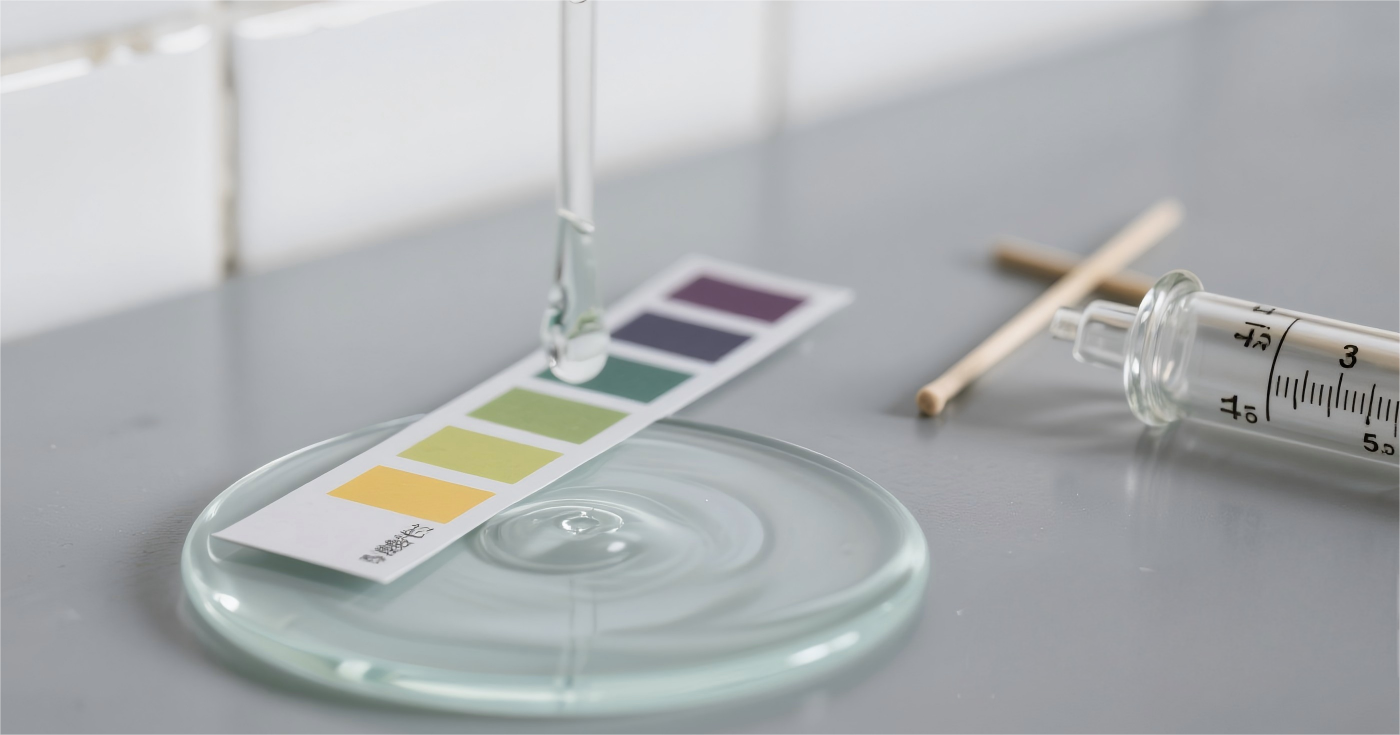
- Regulating pH value: In cosmetic formulations, lactic acid is often used to adjust the pH value of products. Maintaining an appropriate pH value is crucial for the stability and effectiveness of skincare products, as well as for the health of the skin's natural barrier. Lactic acid helps to create a slightly acidic environment, which is beneficial to the skin's microbiome and can help prevent the growth of harmful bacteria.
Research - Supported Evidence
Many studies have explored the effectiveness of lactic acid in skincare. A study published in the Journal of Cosmetic Dermatology found that when lactic acid is used in formulations with other alpha - hydroxy acids, it can significantly improve the skin texture of participants, reduce the appearance of fine lines, and increase skin moisture.
Applications and Usage Methods in Cosmetics
- Cleansing milk: Lactic acid is commonly found in cleansing milk. It can gently exfoliate the skin while removing dirt, oil, and impurities. Cleansing milk containing lactic acid can make the skin feel clean, fresh, and smoother.
Usage method: Take an appropriate amount of cleansing milk in the palm of your hand, add a small amount of water, rub to lather, then evenly apply it to the wet face, gently massage in circular motions for 30 seconds to 1 minute, and then rinse thoroughly with clean water. It is recommended to use it once in the morning and once in the evening.
- Toner: Toners containing lactic acid are popular because they can balance the skin's pH value, remove residual dirt or impurities, and prepare the skin for better absorption of subsequent skincare products. They can also help reduce the appearance of pores and improve skin texture.
Usage method: After cleansing, take an appropriate amount of toner and pour it on a cotton PAD, gently pat it on the face and neck until it is completely absorbed. There is no need to rinse, and it can be used after cleansing in the morning and evening.
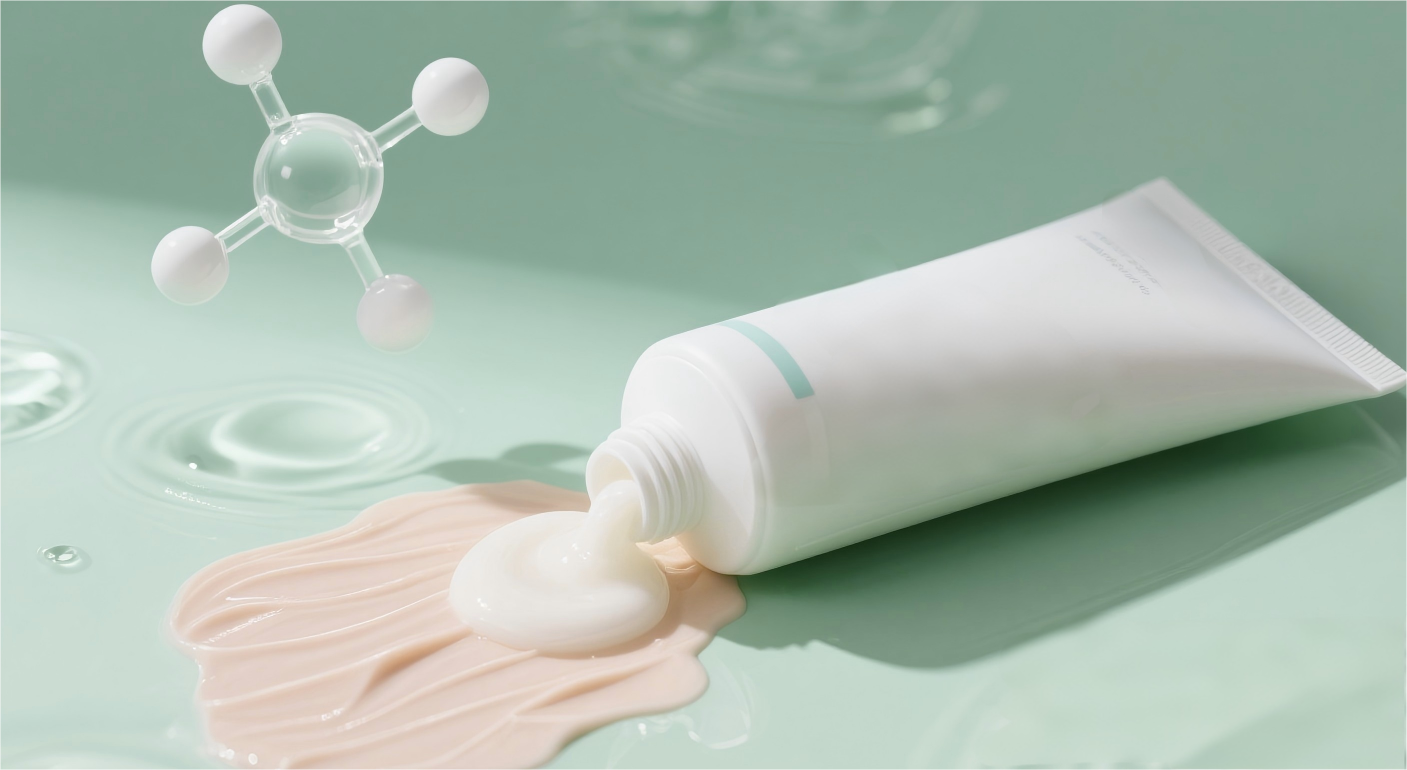
- Moisturizing cream: As a powerful humectant, lactic acid is a key ingredient in many moisturizing creams. These products help lock in moisture, keeping the skin hydrated throughout the day. Moisturizing creams containing lactic acid are suitable for various skin types, including dry, combination, and sensitive skin.
Usage method: After the toner and other skincare products are absorbed, take an appropriate amount of moisturizing cream in the palm of your hand, warm it by putting your hands together, then evenly apply it to the face and neck, and gently massage until absorbed. It can be used in the morning and evening.
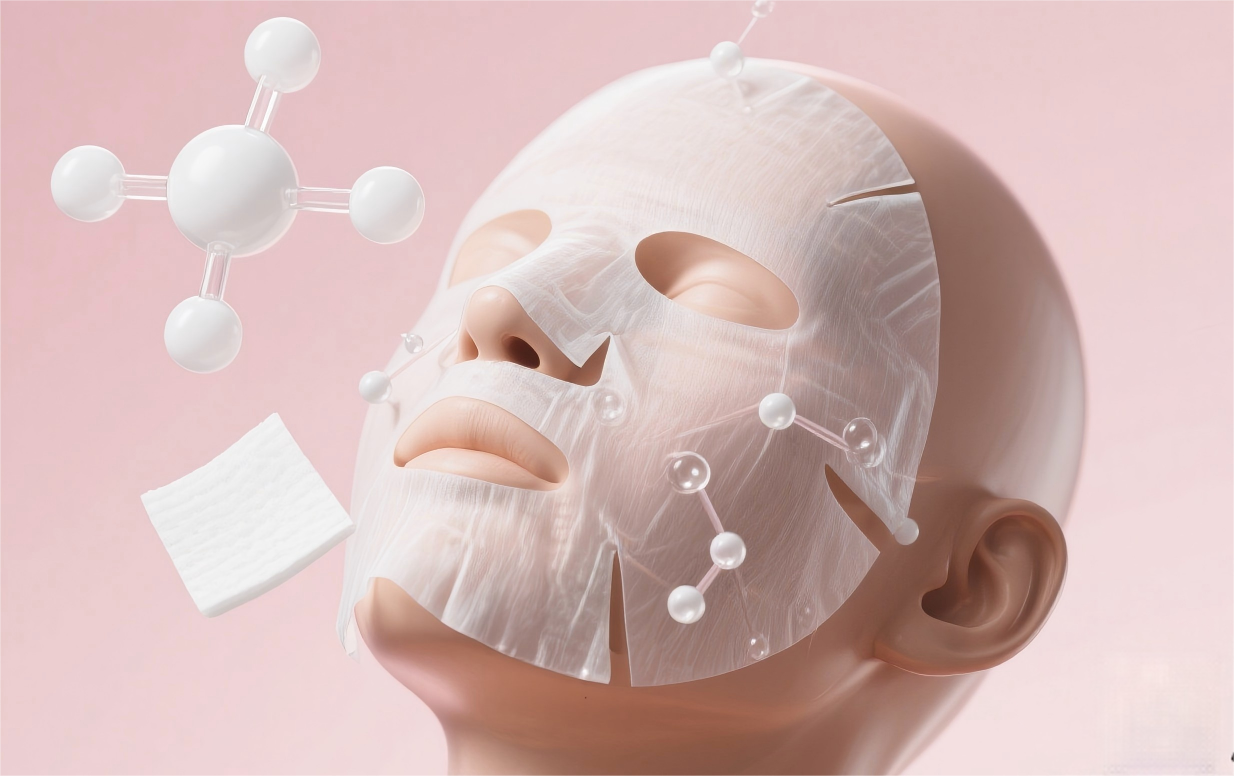
- Peeling products and masks: Higher concentrations of lactic acid are used in chemical peeling products and exfoliating masks. These products can provide a more powerful exfoliating effect, targeting the deep layers of the skin to solve problems such as pigmentation, acne scars, and rough skin texture.
Usage method: Peeling products need to be used under the guidance of professionals; for exfoliating masks, clean the skin first before use, take an appropriate amount and evenly apply it to the face (avoiding the eye area and lips), keep it for 10 - 15 minutes according to the product instructions, then rinse with clean water. It is recommended to use it 1 - 2 times a week initially, and adjust the frequency according to the skin's adaptation.
Safety Precautions
Although lactic acid is generally well - tolerated, it should be noted that it may cause skin irritation, especially at higher concentrations or for people with sensitive skin. When using products containing lactic acid, it is recommended to start with a low concentration and gradually increase the concentration as the skin builds tolerance. In addition, when using products containing lactic acid, you must apply sunscreen because lactic acid can increase the skin's sensitivity to the sun.
In conclusion, lactic acid is a versatile and effective ingredient in the cosmetics industry. Its moisturizing, exfoliating, skin - brightening, and pH - regulating properties make it a valuable addition to various skincare products. With its growing popularity and research - supported benefits, lactic acid is bound to continue to shine in the cosmetics field, helping consumers have healthier and more radiant skin.
- Name: Yuik
- E-mail: sales02@nahanutri.com
- WhatsApp:+8618066950297