Leave Your Message
0%

Hey there! If you're into the world of cosmetics, you probably know how crucial it is to find top-notch ingredientsto make amazing products. One ingredient that’s super important and really versatile in skincare formulas isBulk Beeswax. At Xi'an Aoge Biotech Co., Ltd., we get it—sourcing quality beeswax isn't always straightforward. You’ve got to worry about purity, sustainability, and making sure it's the real deal. Luckily, with our expertise in both natural plant extracts and synthetic ingredients, especially for organic and high-end cosmetics, we're pretty good at tackling those sourcing headaches.
5 Essential Tips for Sourcing Bulk Beeswax: Maximize Quality and Value

In this post, I’d like to share five key tips for sourcing bulk beeswax—helping you get the best quality without breaking the bank. Whether you're a seasoned pro or just starting out, these tips should help you navigate the tricky world of bulk sourcing and take your products to the next level.

Understanding the Different Types of Beeswax for Sourcing

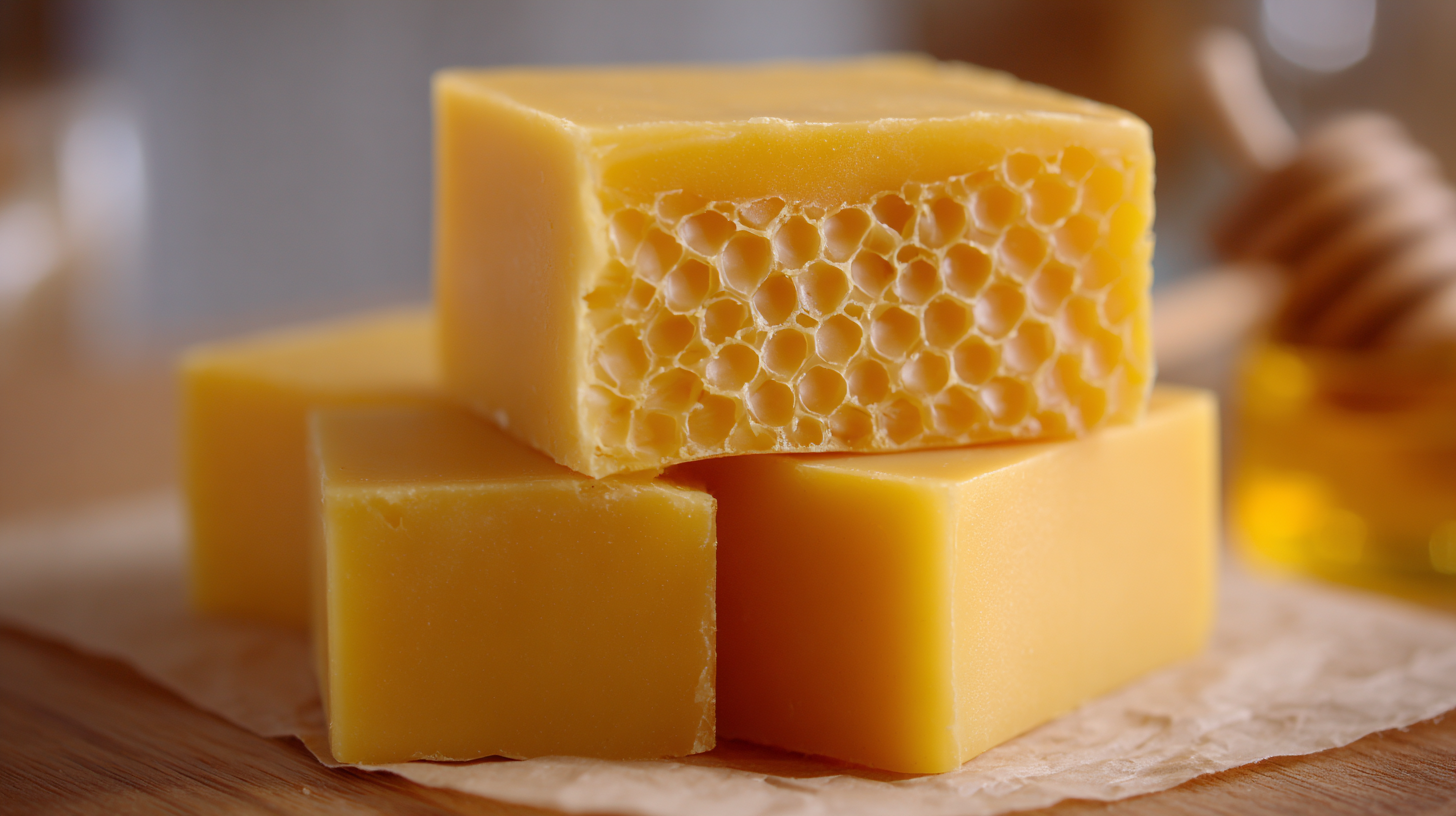
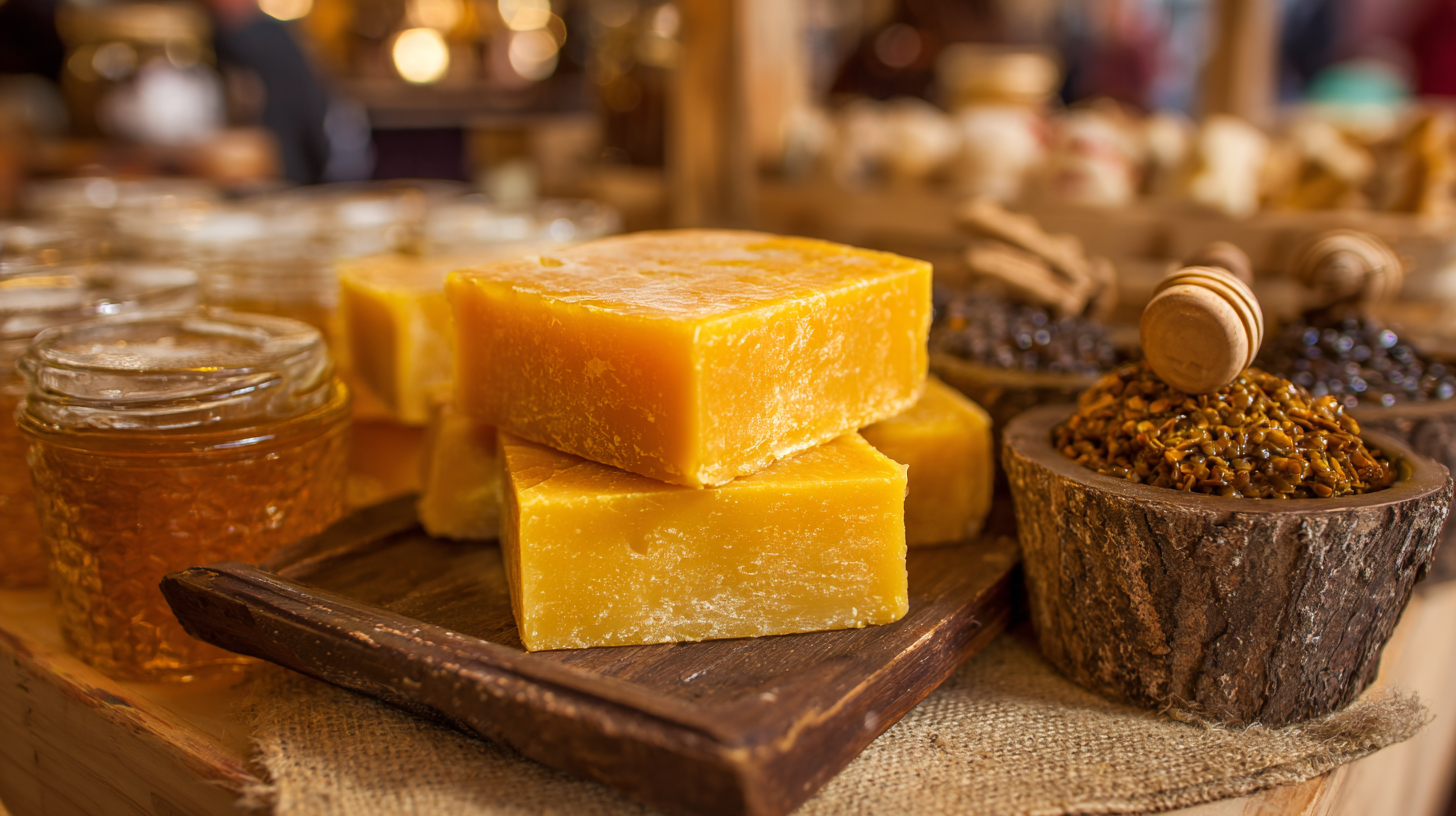
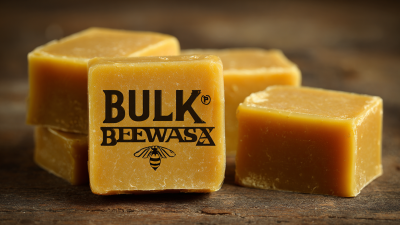
When you're on the hunt for bulk beeswax, it’s pretty important to understand the different types out there. Knowing your options can really help you get the best quality without overspending. Usually, beeswax comes in three main kinds: yellow, white, and filtered. Yellow Beeswax is like the raw, unrefined stuff—think of it as nature’s original gift. It’s often preferred for making cosmetics and candles because of its richer smell and natural properties. In fact, recent industry stats show that around 70% of small-scale producers stick with yellow beeswax because of its top-notch qualities.

Here's a tip: always take a good look at where your beeswax is coming from. Ideally, you want it from honest, sustainable beekeepers. Plus, suppliers who follow proper filtration processes tend to offer a purer, better product—that’s something worth checking out.

Then there’s White Beeswax, which has been bleached and processed a bit more. You’ll see it used often in things like medicines and food products. But heads-up: too much processing can sometimes remove beneficial components. Lately, folks are leaning more towards natural stuff—there’s been about a 40% rise in people wanting unprocessed beeswax over the last couple of years.

And last but not least, filtered beeswax. It’s not as common, but some manufacturers really dig it because it’s super clean—no impurities, just pure wax. As people’s preferences shift, understanding these differences can really help you offer better products and keep quality in check.

Here’s a final tip: talk directly with your suppliers. Ask how they source and produce their beeswax. Knowing that it’s coming from a trustworthy process means you can sleep easy knowing your products meet the standards you’re after.
5 Essential Tips for Sourcing Bulk Beeswax: Maximize Quality and Value

Identifying Reputable Suppliers for Quality Bulk Beeswax

When you're looking to buy large amounts of beeswax, finding trustworthy suppliers is super important—not just for quality, but also to get good value. I read somewhere that, according to the International Bee Research Association, the worldwide beeswax market is expected to hit over $400 millionby 2025. That’s mainly because more industries like cosmetics, food, and medicine are really leaning on beeswax now. As demand grows, so does the number of suppliers out there, which makes it even more crucial to do your homework before choosing who to work with.

If you want to find reliable sources, start by checking out suppliers that have recognized certifications—stuff like USDA Organic or fair trade labels. These kinds of certifications aren’t just about quality; they also show that the beeswax is sourced in a sustainable way. I also came across a study from the Honey Bee Research Institute that said more and more people are willing to pay a little extra for ethically sourced beeswax. And, honestly, chatting with people in industry groups or hitting up trade shows can be a game-changer—they’re great for getting the inside scoop on who’s sticking to high standards and being transparent about where their beeswax comes from.

Evaluating Beeswax Quality: Key Characteristics to Consider

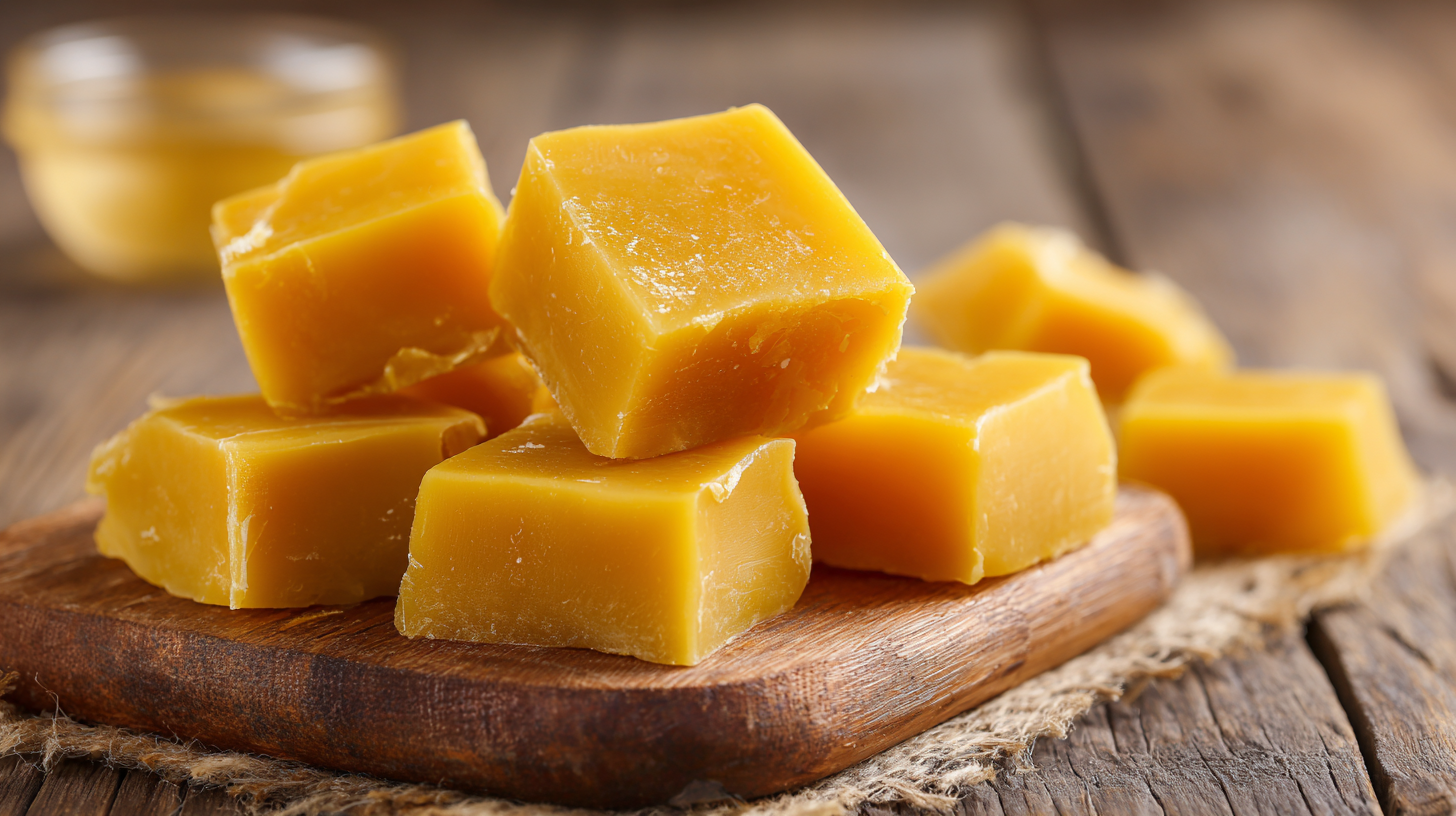
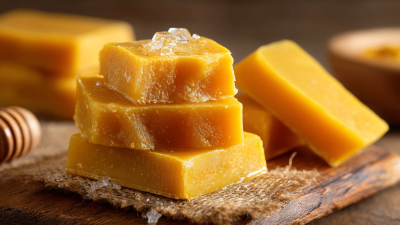
When you're on the hunt for bulk beeswax, it’s super important to get a good sense of its quality—otherwise, you might end up investing in something that’s not quite right. One of the first things to check out is the color. Usually, top-notch beeswax has a nice, even golden yellow tone. That’s a pretty good sign it’s pure and hasn’t been heavily processed. If it’s darker, well, that could mean it’s got impurities or maybe older wax, which can mess with its overall quality. Oh, and don’t forget to give it a sniff—fresh beeswax should have a gentle, light honey aroma. If it smells off or doesn’t have that sweet scent, it might not be the best for your project.

Now, about the texture—real quality beeswax feels smooth and a little soft, almost like it’s got a natural stickiness to it. If it crumbles easily or feels super hard, it might’ve been processed or mixed with other stuff, and that’s not ideal. Also, doing a burn test can tell you a lot. Good beeswax should burn steadily with a clean, steady flame and produce very little soot—perfect if you’re planning to make candles or use it in beauty products. Keep these tricks in mind, and you'll be much better equipped to find the best bulk beeswax for what you need. Trust me, a little know-how goes a long way!

Negotiating Prices: Strategies for Getting the Best Value

Negotiating bulk beeswax prices can definitely feel overwhelming at first, but if you have a few good strategies up your sleeve, you can actually score both great quality and a fair price. One tip I swear by is focusing on value-based pricing. What this really means is trying to get a sense of how your supplier views their product’s worth. When you understand that, you can steer the conversation to show how a steady, long-term partnership isn't just good for you—it’s beneficial for them too. Instead of purely haggling over the lowest price, talk about stability, better quality over time, and mutual trust. It makes your proposal way more appealing and not just a quick bargain hunt.

Another thing that makes a big difference is building a solid relationship with your suppliers. When you’re negotiating, it really pays to start with empathy—listen to what they’re worried about and show you get where they’re coming from. This doesn’t just make things less tense; it also opens the door for more honest, productive discussions. Honestly, suppliers are more likely to be flexible with prices when they feel appreciated and understood. In today’s fast-moving market, especially with AI and all that, being strategic and quick on your feet can seriously boost your results. Don’t be afraid to be a little flexible—you might just walk away with more value than you expected.

5 Essential Tips for Sourcing Bulk Beeswax: Maximize Quality and Value

Best Practices for Storing and Handling Bulk Beeswax

When you're working with bulk beeswax, it's really important to store and handle it properly if you want to keep its quality intact and make it last longer. Beeswax is a pretty amazing natural product, but don’t forget—exposing it to too much heat, moisture, or dirt can cause it to break down. The folks at the National Honey Board recommend keeping your beeswax in a cool, dark spot, ideally between 50°F and 70°F (that’s about 10°C to 21°C). Storing it in this kind of environment helps protect its natural properties and stops it from losing its beneficial stuff.

5 Essential Tips for Sourcing Bulk Beeswax: Maximize Quality and Value

Also, cleanliness is key. Make sure your storage containers are clean and airtight—this keeps out pollutants and pesky pests. A study from the Journal of Food Protection shows that handling beeswax carefully can really cut down the risk of microbial contamination. This is especially important if you're selling in bulk and distributing commercially. Using food-grade containers is a smart move, because it helps ensure your beeswax stays pure and safe for use in cosmetics or even food products. Bottom line: treat your beeswax right, and it’ll stay fresh and effective longer!

FAQS

: What are the main types of beeswax, and how do they differ?

: The three primary forms of beeswax are yellow, white, and filtered. Yellow beeswax is raw and unrefined, ideal for cosmetics and candles due to its natural properties. White beeswax is bleached and often used in pharmaceuticals and food products, though over-processing may reduce its beneficial components. Filtered beeswax is less common and is favored by manufacturers looking for a pure product.

Why is yellow beeswax preferred by artisanal producers?

Yellow beeswax is preferred by approximately 70% of artisanal producers because it retains higher natural properties and fragrance, making it more suitable for cosmetic and candle-making applications.

What should be considered when sourcing beeswax?

When sourcing beeswax, it's important to assess the source and ensure that it comes from reputable, sustainable beekeepers. Standardized filtration processes can also significantly affect the quality and purity of the final product.

What is the recommended melting point for beeswax?

Ideal beeswax should melt between 62°C to 65°C. Knowing this helps in selecting the right type of beeswax for specific applications.

How can one negotiate better prices for bulk beeswax?

To negotiate better prices, embrace value-based pricing by understanding the supplier's perception of value and highlighting the benefits of a long-term relationship. Cultivating a strong relationship and approaching negotiations with empathy can also lead to more favorable outcomes.

What are the best practices for storing bulk beeswax?

Bulk beeswax should be stored in a cool, dark place, ideally between 50°F and 70°F (10°C to 21°C), to maintain its quality. It's important to use sanitized, airtight containers to protect it from contaminants and pests.

Why is cleanliness important when handling beeswax?

Cleanliness is crucial because it helps prevent microbial contamination. Proper handling and storage practices can significantly reduce contamination risks, especially for commercial distributors.

What type of containers are recommended for storing beeswax?

Using food-grade containers is recommended for storing beeswax to ensure it remains free from harmful substances that could compromise its quality, making it suitable for cosmetics and food applications.

Conclusion

Getting your hands on bulk beeswax can really up your game when it comes to crafting high-quality, sustainable cosmetics. Honestly, it’s super important to understand the different kinds of beeswax out there because that helps you pick the perfect one for your specific needs. And don’t forget—finding trustworthy suppliers who care about quality is key. You want beeswax that meets industry standards, right? A quick look at things like color, scent, and melting point can also give you a good idea of how good the stuff is.

Oh, and when it comes to pricing, a little negotiation can go a long way in making sure you’re getting the best bang for your buck with bulk beeswax. Also, taking proper care of how you store and handle it will keep the beeswax fresh and usable for longer. Here at Xi'an Aoge Biotech, we really focus on providing top-notch raw materials, including high-quality bulk beeswax, because we know it’s essential for making awesome organic cosmetics and skincare products.
Olivia

Olivia

Olivia is a dedicated marketing professional at Xi'an Aoge Biotech Co., Ltd., a leading force in the cosmetics raw materials industry. With a deep understanding of the market, she specializes in promoting the company's extensive product line, which includes natural plant extracts tailored for......
Previous The Comprehensive Guide to Finding Reliable Suppliers for Best Natural Candelilla Wax